It's a small world afterall....
Respect to:
Canal Viajar
Akasaka Ramen... a good noodle restaurant.
Well, it's been a long time. Just over a month. I feel like I'm talking to an old friend that I haven't seen since school. Either way, I'm back on the blog. It's going to be a little intermittent over the next while, we have made the move to Spain, but are still waiting the arrival of our the rest of our flat from London. I managed to forget our camera so this is going to be a pictureless blog.
For this blog, I thought I'd do some Spanish homework at the same time as researching a little bit about the food in season at the moment. The following list is from Simone Ortega's very good "1080 Recetas de Cocina". They are all the ingredients in season at the moment. I have asterisked those that I needed the dictionary to translate...Verduras (vegetables)
Champiñon de París = button mushrooms
Acelgas = chard or beet*
Zanahorías = carrot
Puerros = leek
Lechuga = lettuce
Cebollas = onion
Cebillitas francesas = shallot*
Remolacha = beetroot*
Coliflor = cauliflower
Espinacas = spinach
Lombarda = red cabbage (based on google image search only)*
Repollo = cabbage*
Apio = celery
Tomates = tomatoes
Pimientos verdes y rojos = red and green peppers
Alcachofas = artichoke
Calabacines = courgette
Berenjenas = aubergine
Judías verdes = green beans
Calabaza = pumpkin ... or "to fail"*
14 of 20 without using the dictionaryPescado y mariscos = fish and shellfish
Merluza = hake*
Pescadilla = whiting*
Rape = monkfish
Lubina = sea bass
Lenguado = sole
Gallo = rooster* (eh, not really a fish?)
Breca = sea bream? courtesy of www.fishbase.org via google images Pagellus erythrinus*
Rodaballo = turbot or flounder*
Congrio = conger eel*
Sardinas = sardines
Boquerones = anchovies*
Besugo = sea bream*
Pez espada = sword fish
Calamares = squid
Cigales = crayfish (dublin bay prawn)
Gambas = shrimp
Chirlas = something like baby clams, may not have an English name?*
Langosta = lobster
Langostinos = languistine
Bogavante = hake*
Carabineros = a little crustacean, this is a somewhat vague translation from blancs*
Almejas = clams
Mejillones = mussels
Ostras = oysters
13 of 24 without the use of dictionary*Frutas = fruit
Piña = pineapple
Manzanas = apples
Peras amarillas = yellow pears
Peras de agua = water pears
Limones = lemons
Naranjas = oranges
Pomelos = a pomelo?*
Melón = melon
Uvas = grapes
Ciruelas = plums
Chirimoyas = chirimoya*
Plátanos = bananas
Membrillos (desde medio mes) = quince (from the middle of the month)
Aquacates = avocado
Kiwis = kiwis
13 out of 15 without using dictionary. Both pomelos and chirimoyas are new to me, but I have eaten both previously... if you know what I mean.Carnes = meat
Pollo = chicken
Gallina = hen
Conejo = rabbit
Vaca = cow
Ternera = veal*
Cerdo = pig
Cordero = lamb
Mollejas de ternera = fried sweetbreads*
Cochinillo = suckling pig
Perdices = partridges*
Liebre = hare*
Codornices = quail*
Becada = a game bird, but I don't know what the English name is
Faisán = pheasant
Aves acuáticas = aquatic birds?
Venado = veniso*
Jabalí = wild boar*
8 of 17 without dictionary
A few things that the above tells us:
- I understand about 63% of the food in Spain. That makes me a C student, I reckon that is about right.
- I have learnt more fruit and vegetable names over the past years of coming to Spain (87% and 70% respectively). This could either point towards their strong role in the mediterranean diet or, maybe you shouldn't trust my translations.
- Meat and fish let me down (47% and 54% respectively). Alan Davidson would be disappointed. I guess any low cholesterol diet would have mixed feelings on it...
Either way, you can expect the above to feature heavily in recipes over the next month... I'm now going out for something that I can understand; tinto de verano y tapas.
Technorati Tags: season spain food
 1. Coleman Andrews, "Everything on the Table"; Blancs has told me he is one of the best food writers. She reckons I can learn a thing or two from him (I take the subtle hints where I find them..)
2. Notepad for thoughts, poetry, my memoirs etc.
3. Books for Cooks recipes in case we get caught out and need to fend for ourselves
4. James Villas, "Villas at Table" - this one is for Blancs
5. Superdrug's Omega 3 supplement to fight the burgers and large portions that we'll be consuming
Not sure if this is a present or emergency rations for the BA flight: A Marks & Spencer's hamper;
1. Tea
2. Toffee
3. Shortbread
4. Mustard
5. Pickle
6. Odd looking rhubarb & custard sweets

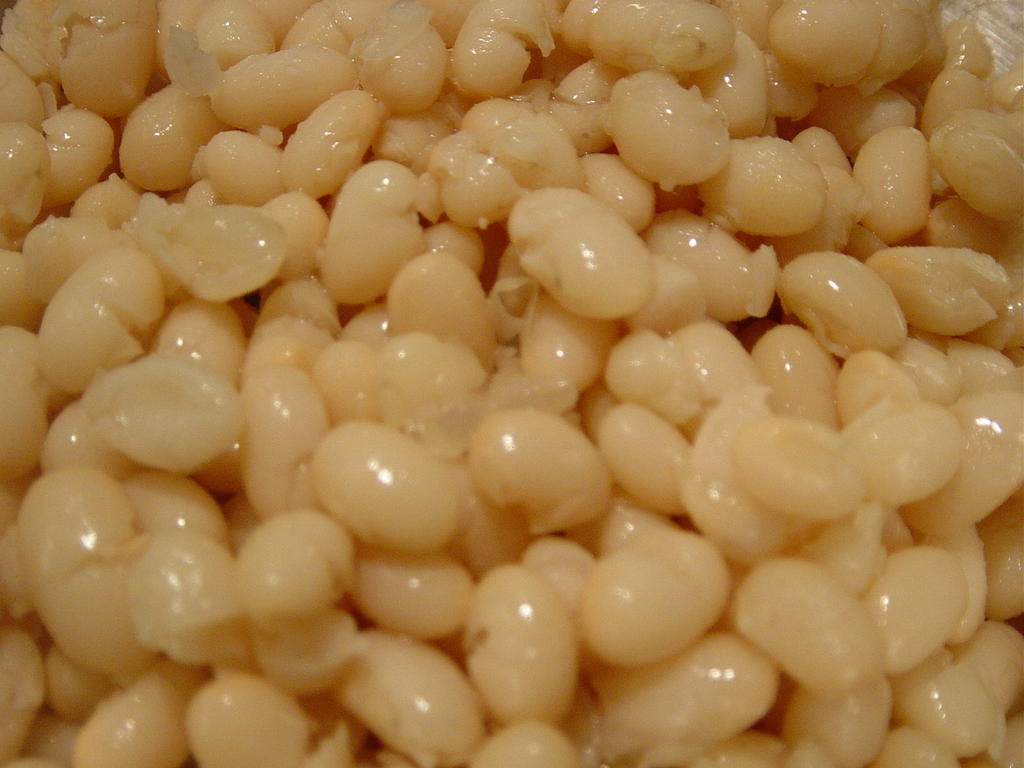

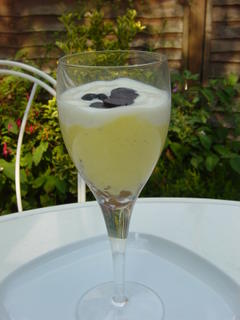
The intermediate term in the kitchen has started with a bang! Blancs and I have been playing around with some of Ferran Adría’s cooking books lately. I think that this is either Blanca’s way of improving my Spanish or scaring me out of the kitchen. Given that she did a stage before at El Bulli Hotel she has a bit of an advantage, but I have sheer bald-faced stupidity on my side.
When dealing with such a superstar chef, where better to start than with one of his iconic dishes. Ferran has made his name as the king of all things "unusual" in the kitchen. He is credited with bringing the foam (espuma) into the commercial kitchens. Methinks with an ironic style, his books attempt to bring the foams into domestic kitchens. Whilst Blancs prefers his classic (and very much out of print) “Concinar en 10 Minutos”, we cooked from “El Bulli: 1998 – 2002”. This is the dark hardcover book that you will find in good bookstores.
There are a few things to understand before we get into the recipe.
What is deconstruction?
In what I believe to be his best book; “Los Secretos de El Bulli”, Ferran explains the prior to 1993, 3 techniques were used to create meals: adaptation, association and inspiration. After 1993 he focused on deconstruction. Basically, it ”uses (and respects) the harmonies already known, transforming the textures of the ingredients, such as form and temperature”. It should retain the ingredients and flavours, but change the textures. Typically, the name of the dishes will remain the same.
What’s an example of deconstruction?
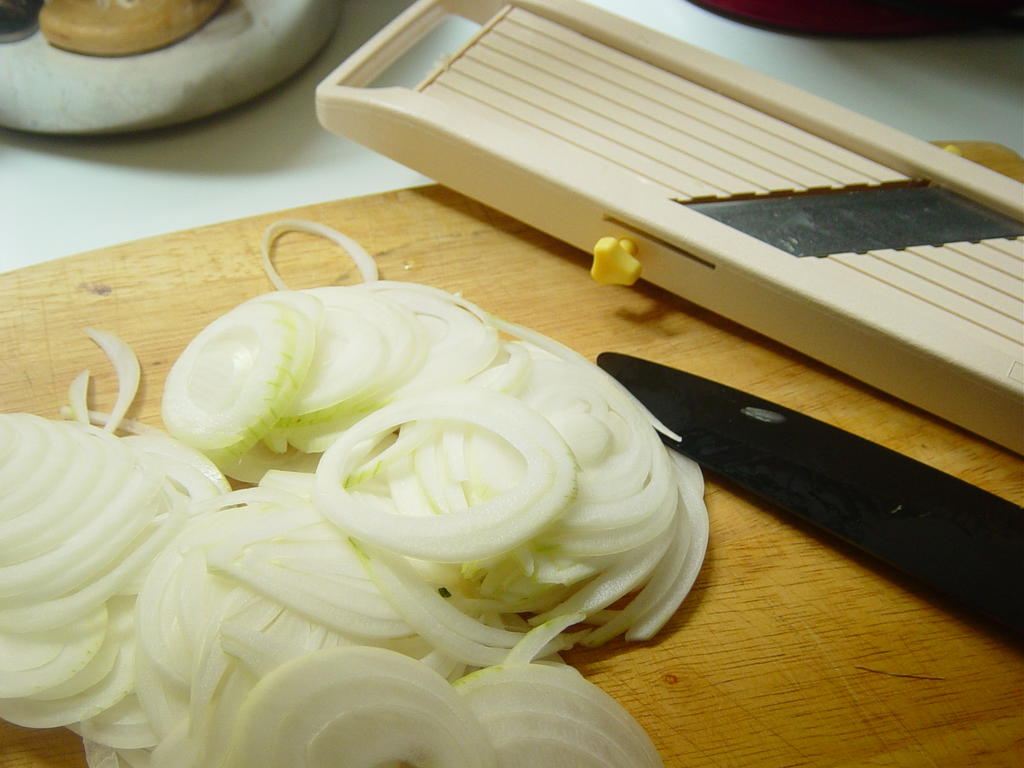
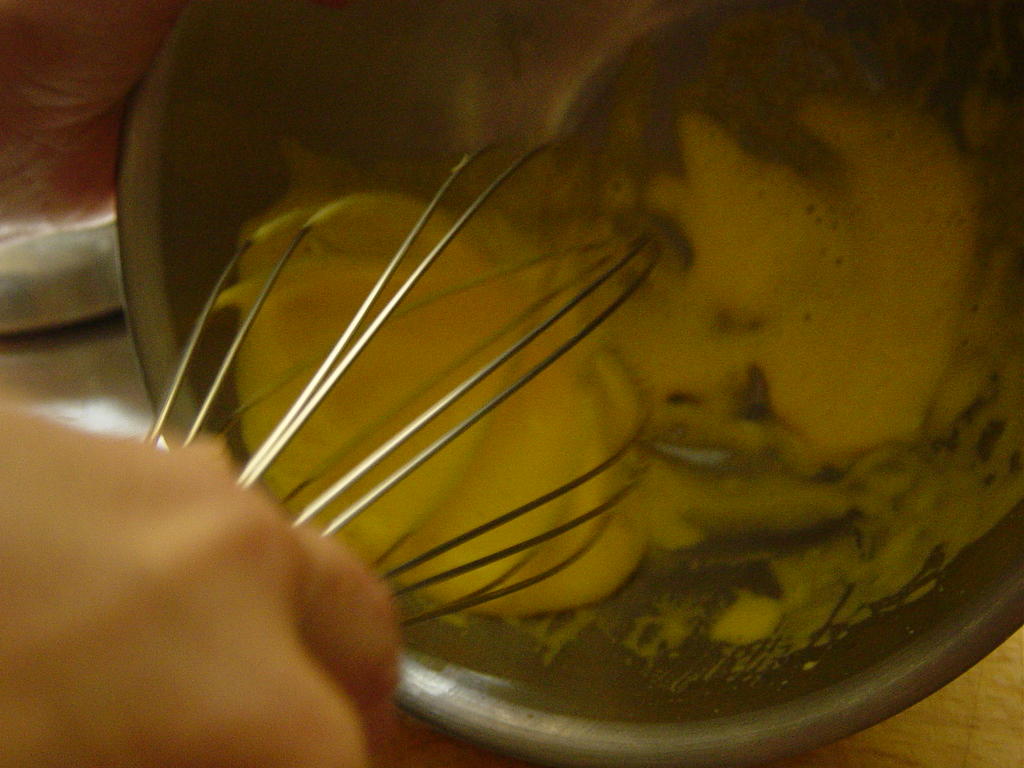
Well, we’re about to look at an example of deconstruction. Everyone knows the classic Spanish omelette; eggs added to olive oil fried potatoes and onion and served upside down. Ferran puts a spin on this, he foams potato mash and layers this over onion and a sabayon of egg yolks.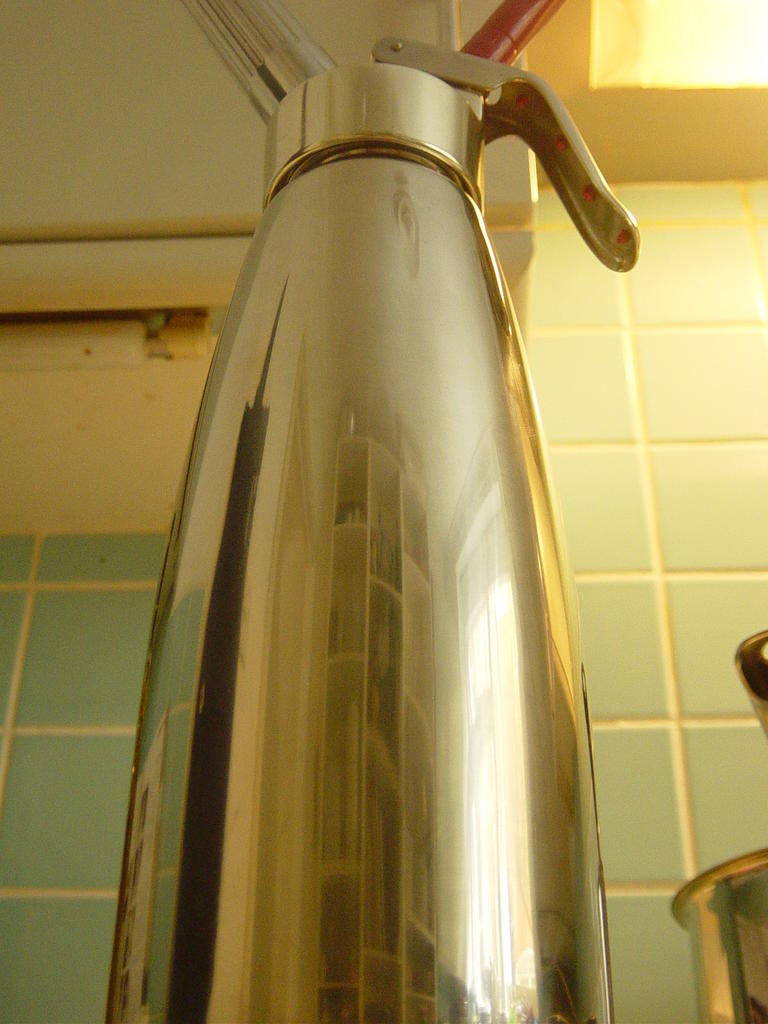
What’s the deal with foams?
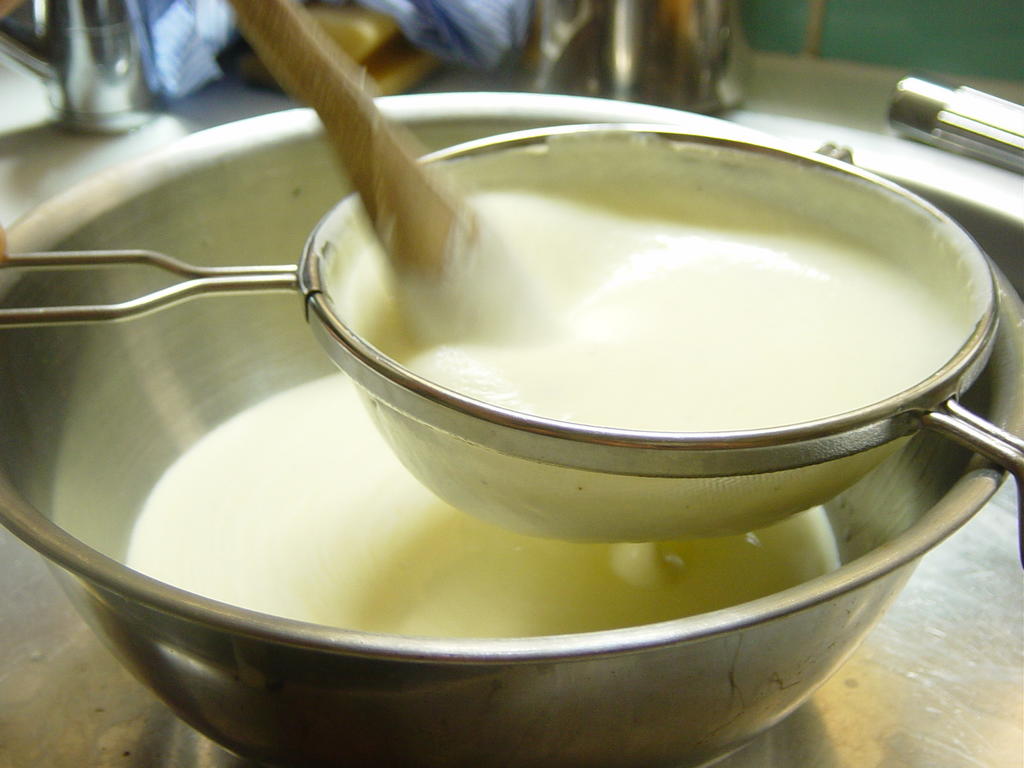
Foams is one of the techniques that allows Ferran produce different textures and techniques. It is an extension of the mousse, with the basic difference that cream and eggs are not necessarily required. Ferran appears to have shares in iSi; he takes every opportunity to recommend their siphon to achieve a pure flavour of foam. He lists the benefits of foams as follows:
- More flavour. As mentioned above, with less lactic products and eggs, the foams hold only the main ingredient flavour.
- Better health value. All fruit or vegetable vitamins and proteins are served intact. There are no additional fats.
- Lighter. The pressured incorporation of air (nitrous oxide) produces a lighter end product.
- Better conservation. The siphon is hermetically sealed and thus preserves food better.
- More economic. Eh, this is kind of questionable. Ok you don’t need extra eggs and cream, but you do need to buy a fairly pricey siphon and gas refills.
- More creative. Also questionable, but undoubtedly, the foam is somewhat more flexible than traditional mousses.


| Never ripen after picking | soft berries, cherries, citrus, grapes, litchis, olives, pineapple, watermelon |
| Ripen only after picking | avocados |
| Ripen in colour, texture, but not sweetness | apricots, blueberries, figs, melons, nectarines, passionfruit, peaches |
| Get sweeter after picking | apples, kiwi, mangos, papayas, pears |
| Ripen in everyway after picking | bananas |
[II]
Category One receive all of their sugar from the parent plant. They may decrease in acidity, but will never get sweeter once off the vine. Category Two plants send a chemical that actually inhibit ripening, the fruit must be removed in order to stimulate the process. Category Three contain no starch, once off the vine, they will not create sweetness. These must be bought physically mature. Category Four have large supplies of starch, they improve in sweetness even off the plant. Category Five converts nearly all of its ample starch to sugar.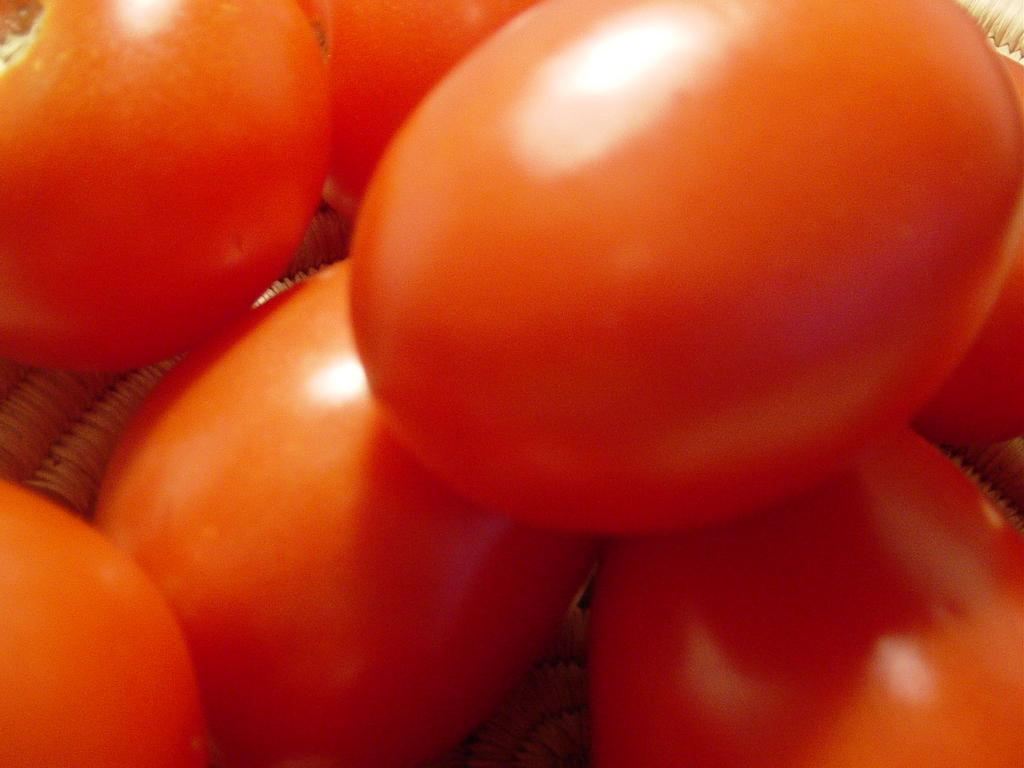
Depressingly for us, no one actually classifies tomatoes in the above matrix. From reading McGee, they seem to be a cross of Categories Three and Four. They do store starch in their wall tissue, but not as much as, say, apples. The rule of thumb should be to allow them ripen fully on the vine in order to have the fullest flavour[III]. This is sadly at odds with commercial reality. One tip that may help us; store tomatoes at about 10 C in order to maintain their flavour (due to a critical flavour compound, (Z)-3-dexenal, which disappears when chilled).

The sweet, meaty plum walls balance the more acidic (citric and malic) flavours and aromas of the jelly and skin. You don't need to peel. Additionally, don't worry about the loss of nutrients; almost 0% of minerals and about 5% of vitamins are lost during cooking tomatoes. Bring the tomatoes to the boil in the vegetable stock. Leave to simmer for 10 minutes. Add the remaining ingredients and simmer for 20 – 30 minutes. Puree the soup. Pass the whole thing through a sieve and serve.
Second time around, this was a fantastic soup. Really luxurious and smooth. I recommend plenty of pepper.
Sources
[I] Shirley O. Corriher "Cookwise"
[II] Jeffrey Steingarten "The Man Who Ate Everything"
[III] Harold McGee "Food & Cooking"
Note: This blog comes partly inspired by the UK's best food programme; “Full on Food”. Anyone who hasn't had the chance of seeing should watch it.
Technorati Tags: tomato soup ripeness food